
How to Choose Between 4N, 5N, 5N5, and 6N High Purity Aluminum Purities for Your Application
Engineers, researchers, and manufacturers frequently search for the optimal high purity aluminum (HPA) grade—4N aluminum (99.99%), 5N aluminum (99.999%), 5N5 aluminum (99.9995%), or 6N aluminum (99.9999%)—to meet demanding specifications in high-tech electronics, semiconductor production, research, and specialty applications.
At HPA Distribution (High Purity Aluminum), we specialize in ultra-high purity aluminum products, including high purity aluminum foil, sheets, plates, rods, rod coils, wire, pellets/slugs, ingots/blocks, and sputtering targets. With 99% of our sales focused on aluminum (starting at 4N purity) and expertise in 5N and 6N grades, we help customers select the right material for thin-film deposition, evaporation, superconductivity studies, and more.
This guide explains purity differences, key selection factors, and real-world recommendations to optimize performance and cost.
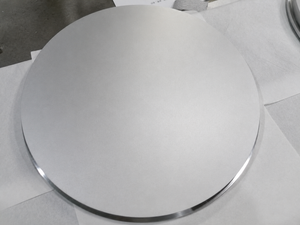
Understanding High Purity Aluminum Levels: 4N, 5N, 5N5, and 6N
High purity aluminum purity is expressed in "nines," reflecting minimal impurities (e.g., iron, silicon, copper) that affect conductivity, defect rates, and reliability.
|
Purity Level |
Percentage |
Impurity Limit (ppm) |
Common Applications |
Relative Cost |
|
4N Aluminum |
99.99% |
≤100 |
General electronics, structural rods/plates, basic sputtering targets |
Lowest |
|
5N Aluminum |
99.999% |
≤10 |
Advanced thin films, research foils/sheets, semiconductor coatings |
Moderate |
|
5N5 Aluminum |
99.9995% |
≤5 |
Precision electronics, high-vacuum evaporation pellets, ultra-high purity wire/rods |
Higher |
|
6N Aluminum |
99.9999% |
≤1 |
Quantum computing, superconducting materials, premium sputtering targets |
Highest |
Advanced refining (e.g., zone melting, electrolysis) achieves these levels, making ultra-high purity aluminum essential for defect-sensitive processes.

Key Factors for Selecting 4N vs 5N vs 5N5 vs 6N Aluminum
Balance performance, impurity tolerance, and budget:
- Application Requirements
- Semiconductors & Thin-Film Deposition — Use 5N or 6N aluminum sputtering targets and pellets to minimize defects in PVD/CVD for chips, displays, and solar cells.
- Research & Superconductivity — Start with 4N high purity aluminum rod or foil for prototypes; upgrade to 5N5 or 6N for quantum devices or high-vacuum experiments.
- Electronics & Optics — 5N foil or wire for reflectivity; 6N targets for uniform, defect-free layers.
- Aerospace & Structural — 4N or 5N plates/rods for strength and corrosion resistance.
- Impurity Effects on Performance
- 4N suits general use but risks variability in high-temperature or corrosive environments.
- 5N+ ultra-high purity reduces brittleness, extends life, and ensures consistency—critical for high purity aluminum wire interconnects or pellets in evaporation.
- Cost & Availability
- Higher purity increases refining costs. Test 4N first, escalating only if needed. We stock all grades with fast custom fulfillment.
- Form Factor Matching
- Foil/Sheet/Coil → 5N/6N for flexible, reflective research.
- Rods/Wire/Ingot → 4N for machining; 5N5/6N for ultra-conductivity.
- Pellets/Sputtering Targets → 5N+ for uniform deposition.

Why Choose HPA Distribution for High Purity Aluminum?
As ultra-high purity aluminum specialists, we ship most orders within 24-48 hours via UPS/FedEx. All materials are certified (GDMS for 5N+), supporting high-tech markets. We also offer high-purity copper, nickel, and titanium.
Need guidance on 4N, 5N, 5N5, or 6N aluminum for your sputtering targets, foil, rods, or pellets? Visit www.highpurityaluminum.com or contact us for expert advice and quotes.